
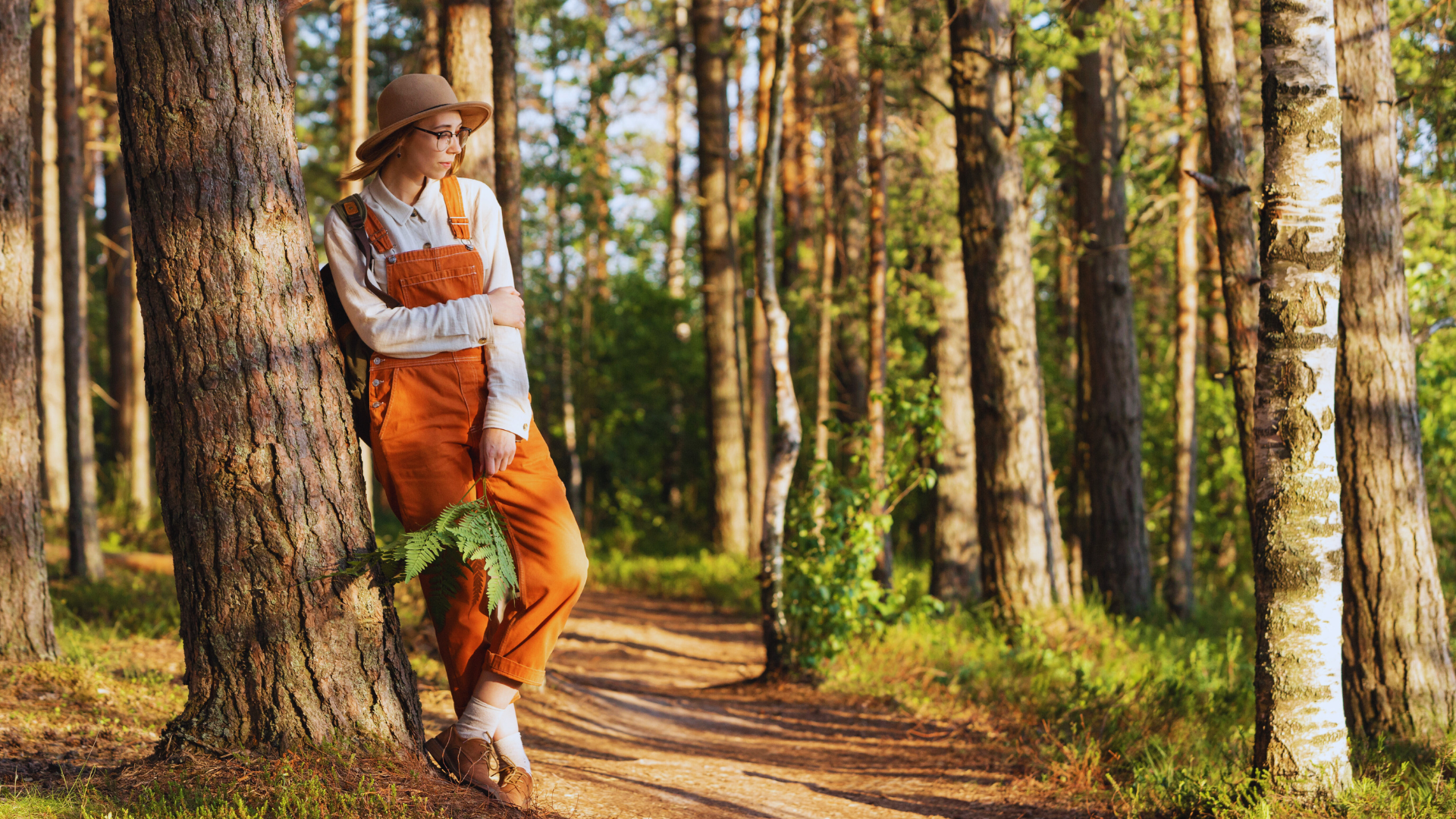
In today’s fast-paced world, the art of exploration has taken on new dimensions. Naturalists observe their surroundings with curiosity and appreciation, making the act of exploration accessible to everyone. By adopting a mindful approach to nature, individuals can discover the wonders of their local environments, no matter where they live.
Equipped with basic tools like a journal, binoculars, or a smartphone, anyone can document their findings and engage with nature on a deeper level. The beauty of exploring like a naturalist lies in the ability to foster a sense of connection to the environment, encouraging a greater understanding of ecosystems and wildlife.
Whether it’s identifying bird species in the backyard or tracking changes in local flora, naturalists contribute to citizen science efforts that benefit the wider community. Engaging with nature through a naturalist’s lens not only enhances personal well-being but also creates a more informed and responsible society.
Core Principles of Exploring Like a Naturalist
Exploring like a naturalist involves adopting a mindset that values observation, curiosity, and critical thinking. These principles guide individuals in their quest to engage more deeply with the natural world.
Understanding the Naturalist Mindset
The naturalist mindset emphasizes a deep connection with nature. It requires individuals to immerse themselves in their environment and recognize their role within it. A naturalist is often curious and open to learning from every interaction with the ecosystem.
This mindset promotes awareness of local flora and fauna, fostering a sense of respect for biodiversity. Naturalists appreciate the interconnectedness of life, understanding how various species interact and contribute to their habitats.
Observation and Curiosity in Nature
Effective naturalists are keen observers. They take time to study details that others might overlook, such as patterns in leaf shapes or the behavior of animals.
Curiosity drives exploration; asking questions and seeking answers leads to deeper knowledge. Tools such as field journals can enhance the observation process. Noting down findings helps connect different experiences over time.
Engaging with nature through techniques like birdwatching, plant identification, or insect collecting can deepen one’s appreciation for the environment. These practices encourage individuals to think critically about their surroundings.
The Importance of Critical Thinking Skills
Critical thinking is vital for naturalists when analyzing observations. It allows them to draw conclusions based on evidence rather than assumptions.
Naturalists should practice questioning everything—why a certain plant thrives in a particular area or how animals adapt to changes in the environment.
By employing logical reasoning and assessing different variables, they can create a clearer understanding of ecological dynamics. Thus, fostering these skills is essential for anyone serious about exploring and understanding the natural world fully.
Practical Approaches to Field Exploration
Exploring the natural world requires strategic planning and a willingness to observe closely. Specific techniques can enhance outdoor experiences, whether in parks, forests, or one’s immediate surroundings.
Choosing Locations: Parks, Forests, and Local Environment
Selecting the right location for exploration is crucial. Parks and forests provide diverse ecosystems that support a range of local wildlife.
- Public parks often have trails, birdwatching areas, and informational signage.
- Forests usually offer rich biodiversity, allowing for in-depth observation of flora and fauna in their natural habitat.
- Exploring the local environment, including urban green spaces or waterways, can reveal surprising wildlife.
Researching beforehand can provide insights into seasonal wildlife patterns and specific areas to focus on.
Preparing for Outdoor Adventures and Field Trips
Preparation can enhance the quality of outdoor adventures. A few essential items can make a significant difference.
- Gear: A sturdy backpack, water bottle, field guide, and binoculars should always be on hand.
- Clothing: Dress in layers to accommodate changing weather and choose comfortable, durable footwear for walking.
- Safety: Always inform someone of the plan and ensure mobile devices are charged for emergencies.
Creating a checklist before field trips helps ensure that necessary equipment and supplies are not forgotten.
Building Your Nature Journal and Observation Habits
A nature journal serves as a vital tool for reflection and observation. Keeping a journal enhances the overall experience through detailed records.
- Date and location: Begin each entry by noting the time and place of the observations.
- Sketches and notes: Include sketches of wildlife and plant life, accompanied by descriptive notes on behavior and habitats.
- Daily entries: Regular journaling fosters an observation habit, encouraging a deeper connection with nature.
A well-kept journal can be a valuable reference for future explorations and learning.
Species Identification through Field Observations
Identifying species in the field deepens the understanding of local wildlife. Several strategies can aid in accurate identification.
- Field guides: Utilizing field guides for plants and animals specific to the region can facilitate successful identification.
- Observation techniques: Pay attention to physical characteristics such as color, size, and markings, as well as habitat and behavior.
- Apps and communities: Mobile applications and online communities for tracking sightings can provide additional resources for verification.
Regular practice strengthens identifying skills and enriches the outdoor experience.
Essential Tools and Resources for Modern Naturalists
Exploring the natural world requires a set of tools and resources that enhance observation, identification, and documentation. Both traditional and modern resources can significantly benefit a naturalist’s experience.
Field Guides and Reference Materials
Field guides serve as essential companions for anyone interested in understanding biodiversity. They provide detailed information on species identification, habitats, and behavior. Guides such as those from the National Audubon Society are tailored for specific regions and groups, like birds or plants.
Naturalists often carry multiple guides covering different aspects of nature, such as insects, mammals, or wildflowers. These references help facilitate quick identification during fieldwork. Some notable guides include the Peterson Field Guide series and the Sibley Guides. Having physical copies along with digital formats ensures access regardless of technology availability.
Digital Tools: iNaturalist, eBird, and Mobile Apps
Advancements in technology have introduced numerous digital tools that assist modern naturalists. iNaturalist allows users to share observations, seek identifications, and contribute to biodiversity research. It connects a network of nature enthusiasts and scientists, creating a collaborative environment.
eBird is another critical tool specifically for birdwatchers. This platform helps users track their bird sightings, contributing valuable data to scientific studies. Mobile apps further support identification through visual recognition, making them valuable companions in the field.
These digital resources not only facilitate learning but also promote community engagement among naturalists.
Optical and Navigation Equipment
Having the right optical tools is vital for observing wildlife without disturbing their habitats. Binoculars are essential for birdwatching, enabling users to see details from a distance. Models with 8×42 magnification are popular for their balance of weight and performance.
Additionally, GPS devices are useful for navigation in unfamiliar terrains. Accurate location tracking ensures naturalists can revisit sites of interest. Some mobile devices provide integrated GPS functions, enhancing the utility of existing apps for navigating outdoor activities.
Investing in quality optical and navigation tools can lead to more productive and enjoyable exploration experiences.
Sample Collection and Documentation Techniques
Effective documentation is crucial for studying and sharing findings. Naturalists often use plant presses to preserve specimens collected in the field. These allow for detailed study and identification of flora.
Taking photographs with cameras or mobile devices is another technique for documentation. High-quality images help with later identification and contribute to research.
Additionally, keeping a field journal can aid in recording observations, environmental conditions, and location data. Combining these documentation methods enhances the understanding of the ecosystem and supports ongoing learning for naturalists.
Connecting Exploration to Broader Ecological Understanding
Exploring the natural world connects individuals to complex ecological systems, encompassing various branches of science. This exploration enriches one’s understanding of biology, environmental science, and community involvement, fostering a deeper relationship with nature.
Introduction to Ecology, Biology, and Environmental Science
Ecology studies the interactions among living organisms and their environments. It is fundamental to understanding how biological factors influence ecosystems. By exploring natural settings, individuals gain insights into ecological principles, such as species diversity and energy flow.
Environmental science integrates ecology with social sciences to address environmental challenges. This discipline emphasizes sustainability and conservation efforts. Engaging with local ecosystems encourages explorers to witness firsthand the effects of human activity on biodiversity and habitats.
Ecological Systems and Local Ecosystems
Ecological systems consist of interdependent organisms and their physical surroundings. Local ecosystems, such as forests, wetlands, and grasslands, provide unique opportunities to observe these interactions. Understanding these systems involves studying food webs, nutrient cycles, and the role of keystone species.
Participants can utilize field guides to identify plants and animals within their local ecosystems. Documenting these observations can contribute to community databases, enhancing local ecological knowledge. Knowledge of climate impacts on ecosystems also informs conservation strategies, making exploration valuable for ecological literacy.
Contributing to Scientific Research and Community Involvement
Natural exploration serves as a pathway to contribute to scientific research. Citizen science initiatives welcome individuals to collect data on flora and fauna, bolstering scientific understanding. Tools like mobile apps make it easy to report findings, fostering a sense of responsibility and engagement.
Community involvement initiatives often revolve around local conservation projects. Participants can join local environmental organizations focused on habitat restoration, clean-up efforts, or species monitoring. This active participation not only aids ecosystems but also builds stronger community relationships and awareness.
Professional Development and Lifelong Learning
Exploring nature can significantly contribute to professional development in ecological and environmental fields. Workshops and seminars offer skills in data collection, species identification, and ecosystem management. These opportunities enhance career prospects for individuals pursuing careers in ecology, conservation, and environmental education.
Lifelong learning is integral to understanding evolving ecological information. Engaging with experts in the field allows individuals to stay informed about current research, trends, and practices. Continued exploration fosters a culture of curiosity and adaptation essential for addressing ecological challenges.