
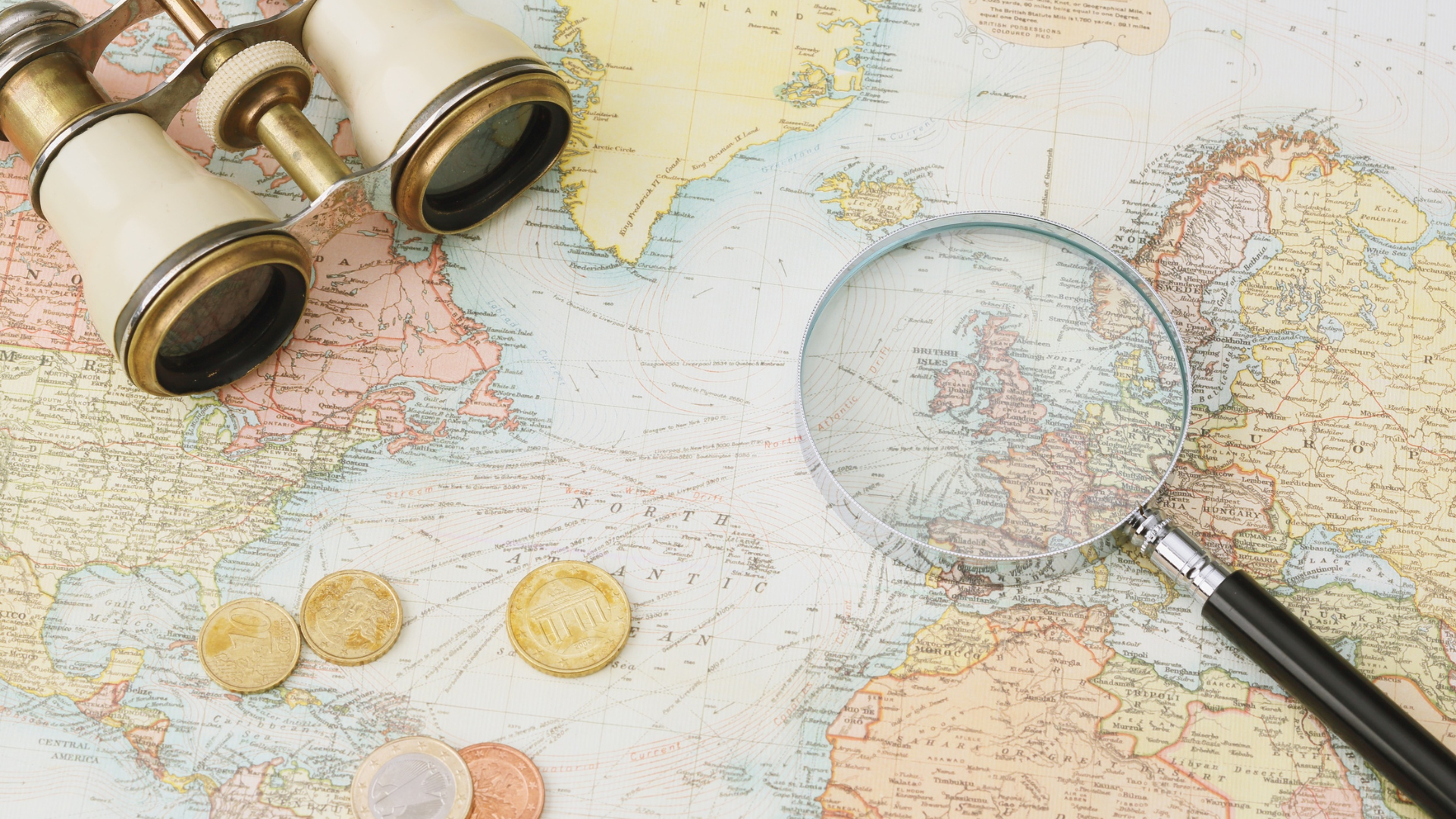
Travel journaling can transform personal experiences into rich, scientific accounts of exploration. By adopting a structured approach similar to that of a scientific explorer, travelers can document their journeys with clarity and purpose, capturing essential details that reveal deeper insights about their destinations.
Embracing techniques like observation, data collection, and reflective writing allows one to create a compelling narrative that goes beyond mere descriptions. This method not only enhances the travel experience but also enriches the journal entries, making them valuable records for future reference.
Incorporating elements like sketches, maps, and daily observations can further deepen the exploration. Through this approach, each journey becomes an opportunity to learn, reflect, and grow, making travel journaling a meaningful practice for any adventurer.
Fundamentals of Journaling Your Travels Like a Scientific Explorer
Travel journaling embodies a unique blend of notes, observations, and reflections, distinguishing itself from a mere diary by focusing on exploration and analysis. This section explores the essence of travel journals, the importance of documenting experiences like a scientific explorer, and the advantages such practices can bring to memory and personal growth.
Defining a Travel Journal Versus a Travel Diary
A travel journal serves as a detailed record of experiences, observations, and insights gained during journeys. It prioritizes factual accounts, such as geographic details, cultural observations, and daily activities. In contrast, a travel diary often emphasizes personal feelings and day-to-day events, which may not include analytical reflections.
Key differences include:
- Focus: Travel journals emphasize observation and analysis; diaries focus on emotions and personal narratives.
- Structure: Journals may contain organized sections, while diaries are often freeform.
- Purpose: Journals aim to document and analyze; diaries reconnect with personal experiences.
Why Document Travel Like a Scientific Explorer
Documenting travel experiences with a scientific approach provides clarity and depth to personal journeys. By adopting this methodology, individuals can explore various cultures, landscapes, and ecosystems comprehensively.
Scientific explorers often employ methods such as:
- Observation: Noting extensive environmental and cultural details.
- Hypotheses: Forming questions about societal practices or natural phenomena.
- Analysis: Evaluating experiences critically, considering their broader implications.
This approach enhances understanding and fosters a greater connection to places visited.
Benefits for Memory, Growth, and Reflection
Maintaining a travel journal can significantly enhance memory retention and personal growth. The act of writing about experiences solidifies them in memory, allowing individuals to revisit and reflect on their journeys.
Benefits include:
- Memory Reinforcement: Documenting experiences helps recall details years later.
- Self-Reflection: Journals provide a space for evaluating personal changes and insights.
- Skill Development: Regular writing hones observational and analytical skills, enriching future travels.
Travel journaling not only creates lasting records but also creates a framework for continual learning and self-discovery throughout life.
Selecting and Setting Up Your Explorer’s Travel Journal
A well-chosen travel journal enhances the experience and facilitates detailed observations. Implementing both structure and flexibility is key to capturing memories and insights effectively.
Choosing the Best Travel Journal Format
Selecting the right format can significantly influence the journaling experience. Consider options like a bullet journal, which allows for organized lists and sketches. Alternatively, a travel diary provides ample space for narrative entries and personal reflections.
Creative travel journals might include mixed media, allowing for stickers, drawings, and other embellishments. A simple notebook with blank or grid pages can also serve well, depending on individual preferences. Look for journals that are lightweight and durable to withstand travel conditions. An ideal size fits comfortably in a bag without being cumbersome.
Essential Supplies and Creative Tools
Along with the journal, specific supplies elevate the journaling process. High-quality pens and pencils are crucial for smooth writing and sketching. Consider watercolor pencils or markers for adding color to drawings.
A portable glue stick can help attach tickets or brochures, while a travel-sized ruler aids in linear designs. Utilizing index tabs can help categorize entries. Packing these tools compactly can streamline the journaling practice during travels, enabling quicker access and less hassle when inspiration strikes.
Preparing for Structured Yet Flexible Entries
Creating a structure allows for organized entries, but maintaining flexibility is equally important. Start with header sections for date, location, and specific notes. Incorporate designated spaces for sketches, lists, or observations related to the travel experience.
Encouraging spontaneous thoughts can enrich the journal. For instance, leave blank pages for miscellaneous notes or drawings. Using a system of symbols or colors can help facilitate quick referencing. Balancing both planned content and room for creativity will yield a richer explorer’s travel journal.
Scientific Approaches to Travel Journaling
Travel journaling can benefit from structured methods akin to those used in scientific exploration. The following techniques enhance the quality and effectiveness of travel journals, emphasizing observation, documentation, and organization.
Observation and Recording Methods
Effective observation is key to rich travel journaling. When exploring new locations, individuals should engage their senses—sight, sound, smell, taste, and touch. Note-taking techniques may include:
- Descriptive notes about surroundings.
- Anecdotal records capturing interactions with locals.
- Environmental observations documenting weather patterns.
These techniques facilitate a thorough account of each locale. Recording emotions and thoughts during these experiences enriches the narrative. Using specific details—like colors, textures, and sounds—creates a vivid recall that can be referenced later.
Incorporating Maps, Sketches, and Data
Visual elements enhance travel journals significantly. Including maps provides geographical context and highlights traveled routes. Sketches offer a creative outlet and preserve visual memories that words might not capture.
Data collection through charts or graphs can also be insightful. For instance, documenting travel expenses, weather changes, or population statistics adds layers of information. Benefits of visual integration include:
- Increased engagement with the subject matter.
- Easier recall of experiences.
- A unique, personalized touch to the journal.
This blend makes the travel experience richer and more meaningful.
Using Travel Journal Prompts for Exploration
Travel journal prompts can spark creativity and deeper reflection. Questions like, “What surprised you most about this location?” or “How did this place challenge your preconceptions?” encourage critical thinking.
Prompts serve as guides that help individuals explore:
- Cultural differences.
- Unexpected encounters.
- Personal growth experienced during the journey.
Incorporating these questions into daily journaling practices can transform simple notes into profound insights, fostering a deeper connection to the travels.
Organizing Field Notes and Insights
Organization is a fundamental aspect of effective travel journaling. Field notes should be categorized based on themes, experiences, or locations. Using bullet points and headings can help streamline information.
Setting aside dedicated sections for:
- Daily itineraries
- Reflections on experiences
- Key takeaways and lessons learned
These categories promote clarity when reviewing or sharing journal entries. Furthermore, utilizing digital tools or folders can enhance accessibility for future reference. A well-organized journal becomes a valuable resource for reflection and inspiration long after the journey ends.
Enhancing Your Travel Journal with Visuals, Stories, and Reflections
Incorporating visuals, personal stories, and reflections can elevate a travel journal from mere documentation to a rich narrative. These elements provide depth and context, transforming experiences into vivid memories.
Integrating Travel Photos and Ephemera
Travel photos serve as vital components of travel journals. They capture moments that words often miss. Including these images not only enhances visual appeal but also aids in memory recall.
It’s beneficial to print photos in various sizes. Adding labels or captions can provide context. Ephemera, such as ticket stubs or postcards, can be integrated alongside photographs. This creates a tactile experience that engages the senses.
Creating a collage on a page or using themed layouts can also make entries more dynamic. Journals that blend visuals with text resonate better and create a narrative flow.
Personal Reflections and Storytelling Techniques
Personal reflections add emotion and thoughtfulness to travel writing. They encourage deep contemplation about experiences and lessons learned. Including detailed accounts of interactions with locals or unexpected events enriches the narrative.
Utilizing storytelling techniques can enhance engagement. Using a beginning, middle, and end structure helps convey a story arc. Incorporating dialogue can bring moments to life. For instance, sharing a conversation with a local vendor adds authenticity.
Frequent prompts can facilitate reflection. Questions like, “What surprised me today?” encourage deeper insights and create a more expansive narrative.
Sharing Your Journeys: Blogs, Diaries, and Keepsakes
Sharing travel experiences through blogs or keepsakes extends the reach of a travel journal. A travel blog allows for broader engagement and interaction with a community of fellow travelers.
Digital platforms enable easy sharing of photos and stories. The immediate feedback can inspire further exploration and writing. Creating a physical keepsake, such as a printed journal, offers lasting enjoyment.
Offering travel journal examples online can serve as inspiration for others. They may motivate travelers to document their journeys, creating a collective narrative of global experiences. This sharing fosters connections and builds a community around shared memories.