
Exploring destinations where science and history intersect allows travelers to witness the tangible connections between human progress and the natural world. These locations offer unique insights into how scientific discoveries have shaped historical events and vice versa. From ancient ruins that reveal early engineering feats to modern museums showcasing groundbreaking research, these sites captivate visitors with their stories.
In cities like Athens and Rome, remnants of ancient civilizations serve as testaments to the early advancements in various fields, including astronomy and mathematics. Meanwhile, laboratories and observatories in places such as Greenwich and Pasadena illustrate how contemporary science continues to evolve, rooted in historical context. By visiting these destinations, individuals can gain a deeper appreciation for the legacies that inform our current understanding of the universe.
Travelers seeking an enriching experience will find that these intersections not only educate but also inspire curiosity about the world around them. Whether through guided tours, interactive exhibits, or immersive historical reenactments, the fusion of science and history invites exploration and engagement at every turn.
Epicenters of Space Discovery and Exploration
Several locations around the world serve as pivotal hubs for advancements in space exploration and scientific discovery. These sites invite visitors to engage with cutting-edge technology and history, providing insights into the universe and humanity’s efforts to explore it.
Kennedy Space Center: Gateway to Space Innovation
The Kennedy Space Center, situated in Florida, plays a crucial role in NASA’s space missions. Visitors can explore the Rocket Garden, showcasing historic rockets used in past missions.
The Shuttle Launch Experience simulates a real shuttle launch, giving participants a taste of astronaut training. Tours of the facility offer insights into current and future missions, including Mars exploration initiatives. Exhibits detail the history of human space travel, highlighting key achievements in spacecraft design and technology.
The center also hosts launch events, allowing the public to witness actual rocket launches, creating a connection between the visitors and the vastness of space.
CERN: Unlocking the Mysteries of Particle Physics
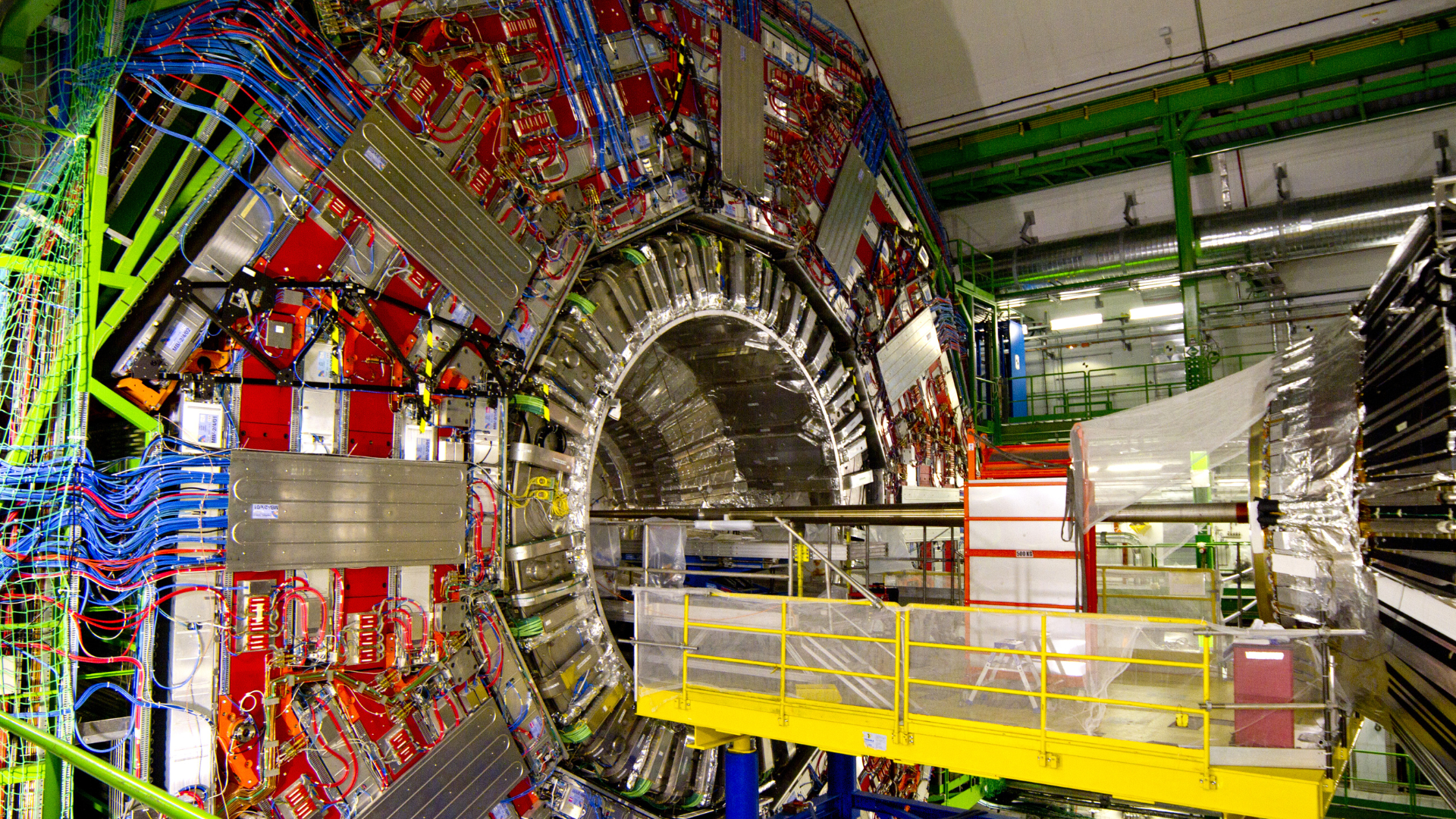
Located near Geneva, CERN is home to the Large Hadron Collider (LHC), the world’s largest particle accelerator. Its primary mission is to explore fundamental particles, offering insights into the building blocks of the universe.
CERN has been instrumental in the discovery of the Higgs boson, a particle that plays a key role in explaining how other particles acquire mass. The facility features a comprehensive physics facility where researchers conduct groundbreaking experiments.
Visitors can tour exhibitions that explain particle physics concepts, view multimedia presentations, and engage in discussions about the latest scientific discoveries. The importance of international collaboration in advancing scientific understanding is also highlighted.
Griffith Observatory: Exploring the Universe from Los Angeles
Perched in the Hollywood Hills, the Griffith Observatory is a popular destination for stargazing and astronomy education. It features impressive telescopes enabling visitors to observe celestial bodies firsthand.
The observatory houses a planetarium that offers engaging shows about space and science. It serves as a hub for public education, inspiring curiosity about the universe.
With its view of the iconic Hollywood sign, the Griffith Observatory attracts both tourists and locals. Its dedication to making astronomy accessible supports a broader understanding of space exploration and the technologies involved.
Living Laboratories: Natural Wonders Where History Meets Science
Natural locations often serve as important sites where scientific inquiry intersects with historical significance. These living laboratories provide unique insights into geological processes, biodiversity, and paleontological discoveries.
Yellowstone National Park: Geology and Biodiversity
Yellowstone National Park, located in Wyoming, is a testament to powerful geological forces. Home to the famous Old Faithful geyser, this park showcases geothermal activity, including numerous hot springs and fumaroles.
The park supports a diverse range of wildlife, including grizzly bears and bison. Its ecosystems allow scientists to study the interactions between species and their environments. The biodiversity of Yellowstone is crucial for understanding evolution and ecological balance in a natural setting.
Dinosaur National Monument: Lost Worlds Revealed
Dinosaur National Monument straddles the Colorado-Utah border and offers a glimpse into a prehistoric world. The site is renowned for its extensive collection of dinosaur fossils, including species like Stegosaurus and Diplodocus.
Visitors can explore the quarry, where fossils are embedded in rock formations, allowing paleontologists to study ancient life. The monument also features stunning landscapes ideal for rafting and outdoor recreation, enhancing its historical and scientific value.
Volcanic Landscapes: Power and Prehistory
Volcanic landscapes serve as powerful reminders of Earth’s dynamic processes. Regions like Iceland showcase active volcanism, revealing layers of history that inform scientists about the planet’s evolution.
These areas also contribute to understanding biodiversity, as unique ecosystems often develop in the aftermath of volcanic eruptions. The study of volcanic rocks and sediments helps uncover information about past environments and climate changes, bridging the gap between geological and biological history.
Pioneering Science Museums Across the Globe
Science museums provide unique opportunities for interactive learning, making complex subjects accessible through engaging exhibits. They play crucial roles in promoting scientific literacy and curiosity. Below are notable institutions that exemplify the successful fusion of science and education.
Interactive Learning at the Exploratorium and Beyond
The Exploratorium in San Francisco is renowned for its interactive exhibits that inspire curiosity in science, art, and perception. With over 600 hands-on exhibits, visitors actively engage in experiments, experiencing the scientific method firsthand. Highlights include the Wilder Hall of the Eye, which explores optical illusions and vision.
Other museums, such as the Ontario Science Centre and the Science Museum in London, also prioritize hands-on learning. They employ innovative interactive displays that allow guests to experiment and learn about physics, biology, and technology in enjoyable ways. Such experiences foster a deeper understanding of scientific principles.
Legacies of Air and Space: Smithsonian and Deutsches Museum
The Smithsonian National Air and Space Museum in Washington, D.C., showcases the history of aviation and space exploration. It features iconic artifacts, such as the Wright brothers’ plane and the Apollo 11 Command Module. Educational programs often focus on space travel history, drawing in visitors of all ages.
Deutsches Museum in Munich, Germany, is another gem, with vast exhibitions covering various sciences and technologies. Its air and space exhibit highlights significant milestones in flight and space discovery. Both museums emphasize interactive components, ensuring visitors leave with a thorough comprehension of humanity’s journey through the skies and beyond.
Cité des Sciences et de l’Industrie: European Hub of Innovation
Cité des Sciences et de l’Industrie in Paris stands as a leading science museum in Europe, housing a wealth of interactive exhibits. This facility focuses on inventions and advancements in technology, engaging visitors with immersive displays. The museum also includes a planetarium and an aquarium, enhancing its dynamism.
Notable sections include dedicated areas for young children, ensuring that education is tailored to all ages. Furthermore, the venue often hosts temporary exhibitions, allowing it to remain at the forefront of scientific discourse. Cité des Sciences continues to promote innovation, making it a critical destination for science enthusiasts and families alike.