
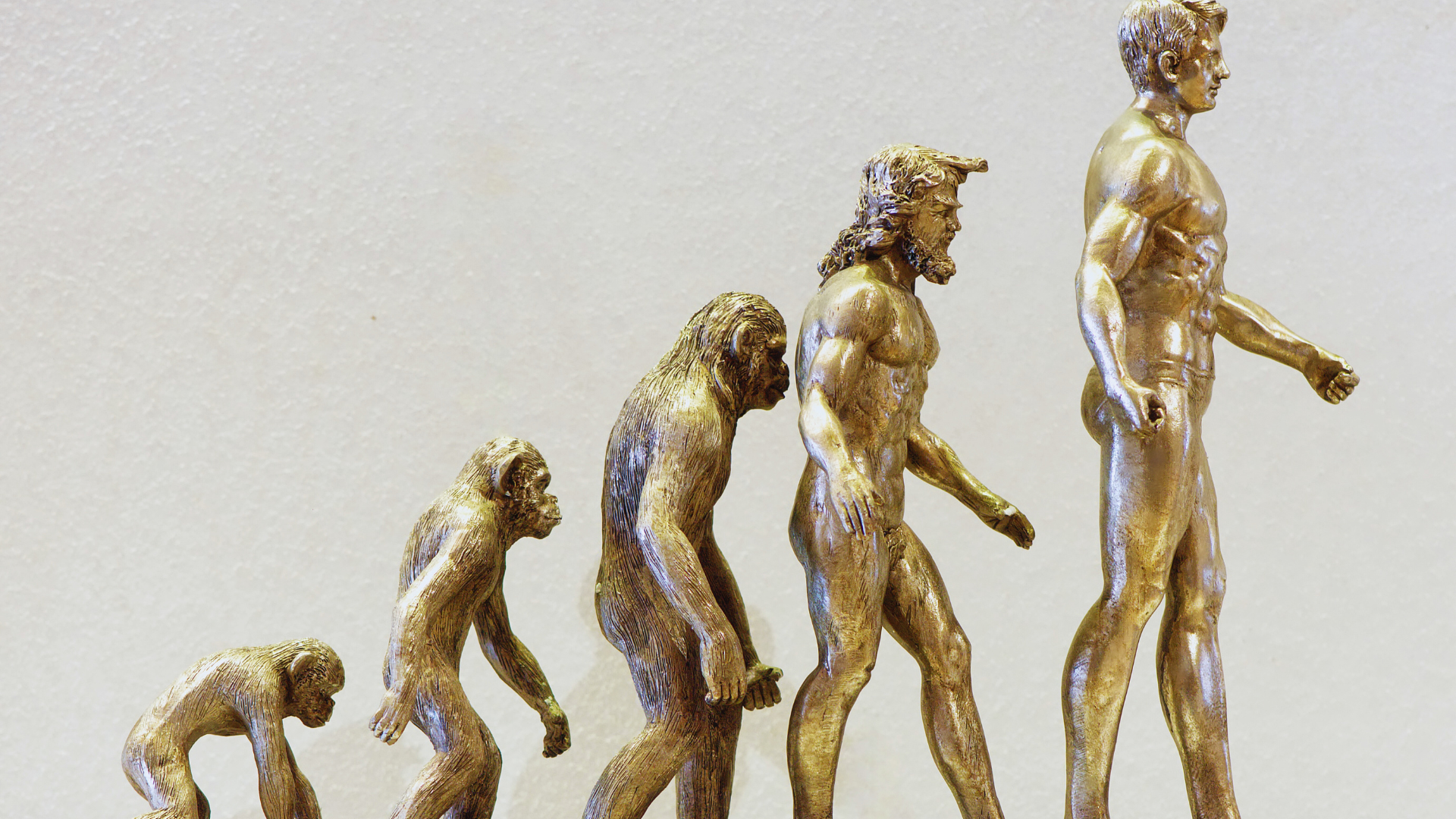
Darwin’s theory of evolution fundamentally transformed how humanity perceives life on Earth. By proposing that species evolve over time through natural selection, he introduced a framework that explained the diversity and interconnectedness of all living things. This shift not only advanced the field of biology but also challenged longstanding beliefs about creation and man’s place in the world.
The implications of Darwin’s work extend beyond science, influencing philosophy, religion, and culture. His findings prompted society to reconsider the origins of human existence and the natural laws governing life. This theory remains a cornerstone of modern biological sciences, serving as a lens through which the complexity of life can be better understood.
Understanding evolution allows a clearer view of the dynamics of life, including adaptation and survival. It highlights the relationships among species and the environmental pressures that shape them. Darwin’s insights initiated a new era of inquiry, marking a significant departure from earlier views and laying the groundwork for future scientific exploration.
Foundations of Darwin’s Theory of Evolution
Darwin’s theory of evolution fundamentally transformed biological science. It established a framework for understanding the diversity of life through mechanisms like natural selection and adaptation, grounded in observations made during Darwin’s travels.
Charles Darwin and the 19th-Century Scientific Context
Charles Darwin, a British naturalist, emerged in the 19th century when scientific inquiry was rapidly evolving. His voyage on the HMS Beagle from 1831 to 1836 was pivotal. During this journey, he observed diverse species in the Galapagos Islands, particularly finches, which exhibited unique adaptations.
Darwin built on the ideas of earlier thinkers like Jean-Baptiste Lamarck and Charles Lyell. While Lamarck proposed early concepts of evolution, it was Darwin who articulated a coherent mechanism for it. The scientific context of the time included debates about species permanence versus change, setting the stage for Darwin’s revolutionary ideas.
Key Principles: Natural Selection, Variation, and Inheritance
Natural selection is one of the cornerstones of Darwin’s theory. It posits that individuals with favorable traits are more likely to survive and reproduce. This process leads to the gradual adaptation of species to their environments.
Variation within species is crucial to this process. Darwin noted that traits could differ significantly among individuals, impacting their survival. He integrated ideas about inheritance, which later genetics would develop, to explain how traits were passed from one generation to the next.
The concept of “survival of the fittest,” often associated with Darwin, encapsulates how environmental pressures shape evolutionary paths. Sexual selection also plays a role, illustrating how reproductive strategies can influence trait prevalence.
On the Origin of Species and Scientific Observation
Darwin published “On the Origin of Species” in 1859, a landmark work that introduced his theory to a broader audience. Through meticulous observations and experiments, he compiled evidence supporting his ideas.
In his writing, he detailed how species adapt through natural selection, providing examples from his studies in the Galapagos. Observations of finches, for instance, showed how beak shapes varied according to available food sources. This empirical approach underscored the importance of observation in scientific discovery and changed the way biology would be studied.
Transforming Our Understanding of Life
Darwin’s theory of evolution significantly reshaped perspectives on life by introducing concepts such as common ancestry and the mechanism of natural selection. These ideas laid the groundwork for understanding biodiversity and the interconnectedness of species through genetic changes over time.
Challenging Previous Views: From Creation to Common Ancestry
Prior to Darwin, many adhered to creationist views, believing each species was independently created. His proposition of common ancestry suggested that all life on Earth shares a genetic heritage, fundamentally altering beliefs about human origins and their connection to other life forms.
This perspective shifted the focus from static species to dynamic populations. The idea of descent with modification emphasized that species evolved over time, adapting to their environments. This challenged long-held beliefs and prompted biologists to reconsider the classification of organisms based on evolutionary relationships rather than mere similarities.
Biodiversity, Extinction, and the Fossil Record
Darwin’s work highlighted the importance of biodiversity, illustrating how various species have adapted to diverse ecosystems. The fossil record provided crucial evidence for evolution, revealing the gradual changes that species underwent and the extinction events that paved the way for new forms of life.
Through paleontology, scientists could trace patterns of extinction and diversification, linking current species to their ancient relatives. This understanding helped illustrate how ecosystems are not just defined by existing species but also by the historical context of life on Earth.
Impacts on Genetics and Modern Biology
The study of genetics became intertwined with evolutionary biology following Darwin. Discoveries related to DNA and genetic mutations helped explain the mechanisms behind evolutionary changes.
Biologists recognized that random genetic changes can lead to adaptations that affect survival and reproduction. This connection revolutionized modern biology, providing insights into not just how species evolve but also how complex traits arise and are inherited over generations. Understanding these processes has paved the way for advancements in biotechnology and conservation efforts.
Broader Influence on Society and Science
Darwin’s theory of evolution has profoundly impacted various aspects of society and science. Its effects are evident in medicine, education, and conservation efforts, shaping modern understanding across multiple fields.
Advancement of Medicine and Evolutionary Psychology
The influence of evolutionary theory extends into medicine, notably in areas such as genetics and disease research. Understanding the evolutionary basis of human health has led to breakthroughs in treating genetic disorders and infectious diseases.
Evolutionary psychology applies these principles to understand human behavior. It explores how evolved traits influence social dynamics and decision-making. This perspective has enhanced research in mental health, providing insights into conditions like depression and anxiety.
Consequently, health professionals increasingly recognize the importance of evolutionary principles in diagnosing and treating ailments, thereby improving patient care and awareness.
Education and the Spread of Evolutionary Ideas
Education systems worldwide have incorporated Darwin’s ideas, leading to significant advancements in science curricula. Evolution is now a cornerstone of biological sciences, fostering critical thinking and scientific literacy among students.
Moreover, public understanding of evolution allows for informed discussions about not only biology but also social issues. Educators emphasize evidence-based knowledge, supporting the importance of scientific inquiry.
Academic institutions have also advocated for the continued evolution of these educational frameworks. By promoting evolutionary ideas, society fosters a scientifically literate population, essential for addressing contemporary challenges.
Conservation and Understanding Ecosystems
Darwin’s work laid the groundwork for modern conservation efforts. Understanding the interdependence of species has guided initiatives aimed at preserving biodiversity and ecosystems.
This knowledge informs practices like habitat restoration and wildlife management. Conservationists apply evolutionary principles to assess the resilience of ecosystems, ensuring a balanced approach to environmental stewardship.
Preserving genetic diversity among species is another critical aspect of conservation efforts. This diversity helps ecosystems adapt to changing conditions. Thus, Darwin’s influence remains vital in promoting sustainable practices for future generations.